Depletion Reporting
Depletion reports without the quarterly wait
Depletions — what a wholesaler sells out to accounts — are the numbers suppliers plan production and allocation on. In most of the industry they arrive as manually assembled spreadsheets, weeks after the fact. PYLR streams them live.
Why depletion data is always late
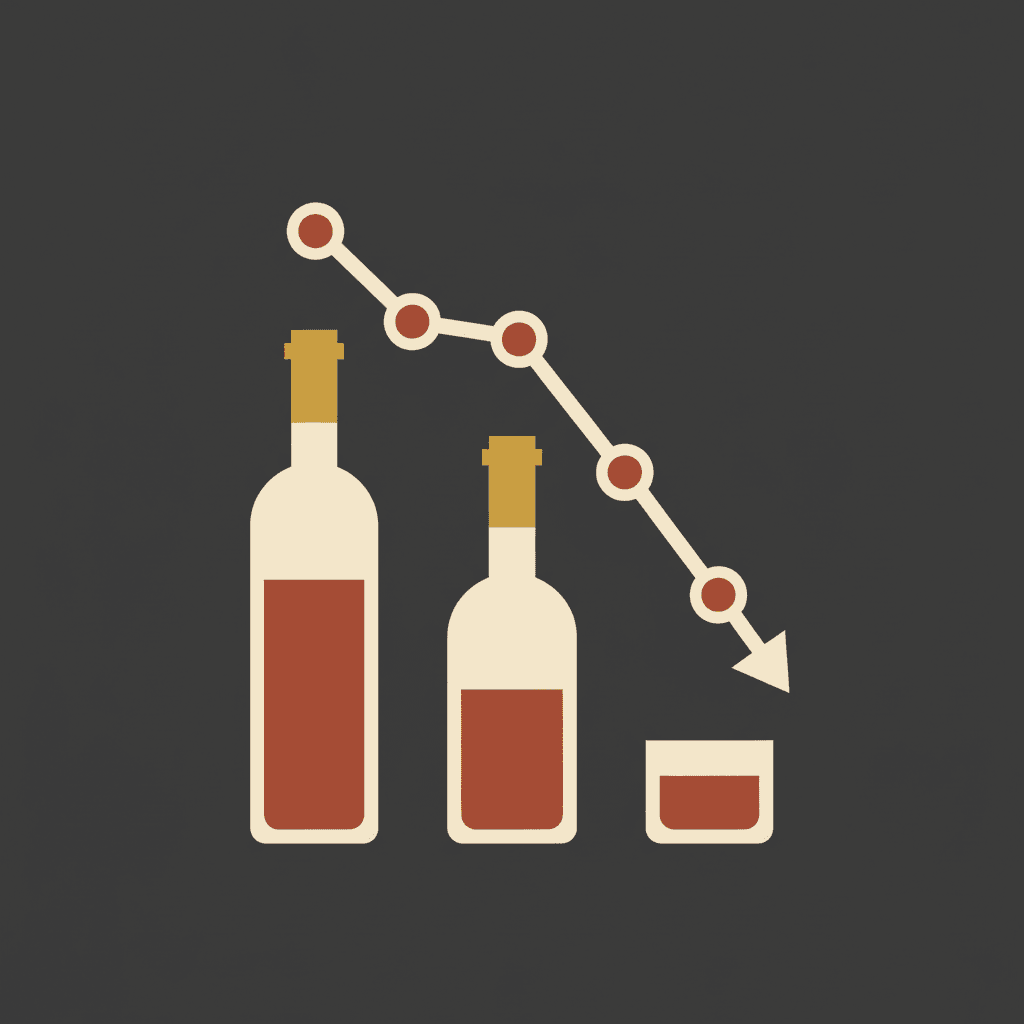
A depletion report is an export from the distributor's sales system, cleaned up in a spreadsheet, and emailed — so it happens when someone has time, in whatever format that distributor uses, usually monthly or quarterly. By the time a supplier sees a SKU running hot, the reorder window may already be closed.
New to the term? Start with the guide to what a wine depletion report is and how to build one.
Live from the system that runs the business
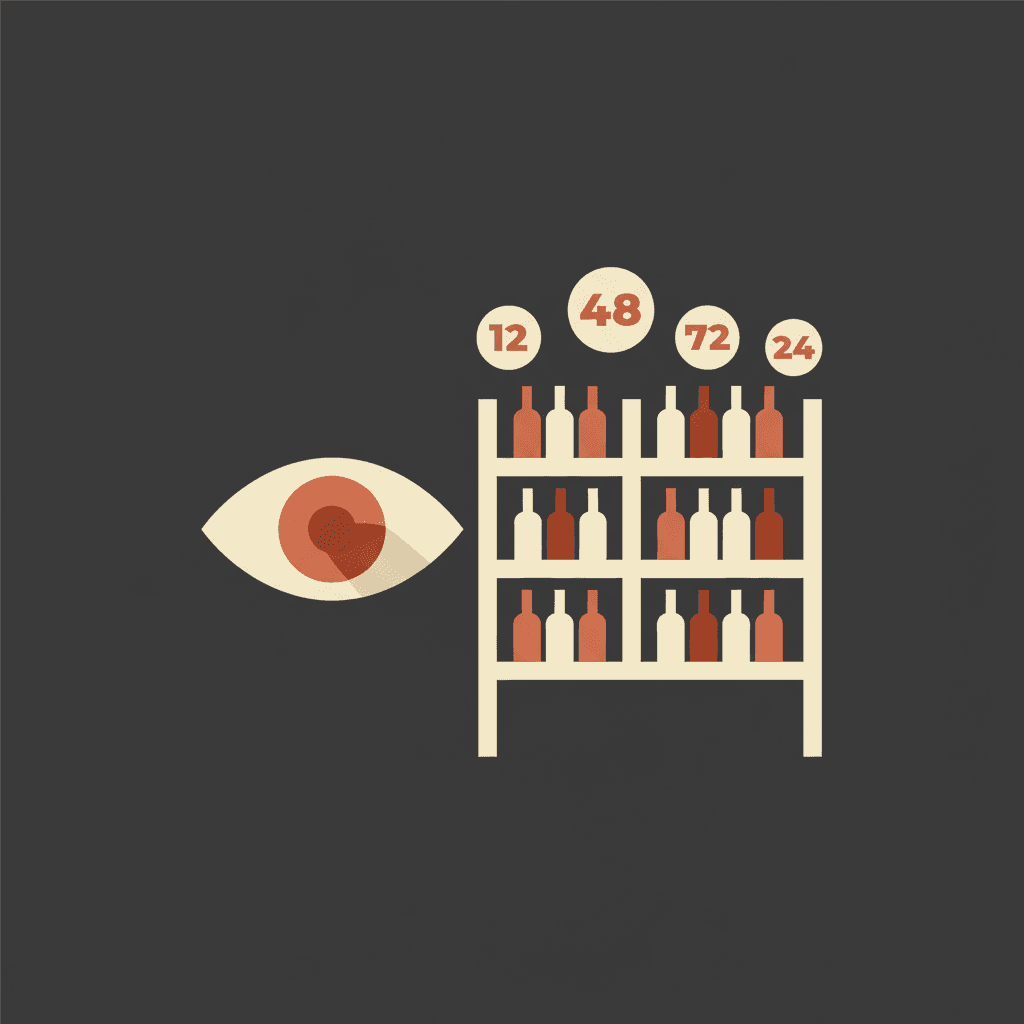
PYLR is the platform the distributor actually operates on — orders, delivery, inventory. That means depletions aren't a report someone assembles; they're a live view of the same records, by account, by rep, by territory. Suppliers also see warehouse inventory — on-hand, allocated, and available — so reorder conversations start before the stockout, not after.
One national view across every distributor

Full Access brings live PYLR wholesaler data together with depletion files from distributors that run other systems. PYLR keeps every market visible and lets suppliers confirm when different source names are the same wine, then rolls the result up by market, state, account, and product.
Plan reorders with stock and sales together
With Full Access, the Inventory view pairs sales velocity with current on-hand stock and open purchase orders where PYLR has those records. It shows months of cover, reorder timing, and suggested quantities only when the sales and inventory evidence support them. Markets without current inventory are labeled “Inventory needed” instead of receiving an invented forecast.
More than depletions

For portfolio management, market work, purchase orders, and billbacks, see the supplier software overview.
The same portal carries market visit reports when reps show your wines, sampling activity, lead visibility from first pour to first order, and bulletins back to the rep team. It's the supplier-distributor relationship with the data flowing both ways — part of the same platform described on the wine distribution software page.
With Full Access, Product Ranking shows dollar revenue and bottle volume side by side, so a high-priced wine does not hide what is moving fastest. SKU inventory history traces receipts, sales, samples, and adjustments over time, making replenishment and market conversations easier to ground in what actually happened.
What one supplier did with it
“Within the first month of using PYLR, we were already able to save thousands of dollars in unnecessary production efforts. Quite honestly, the level of market intelligence we are receiving through this platform would otherwise cost tens of thousands of dollars through traditional market research channels.”
Free for suppliers to start
The supplier free tier includes aggregate depletion totals and inventory visibility — enough to plan production on. Full Access adds depletions down to the customer level, lapsed accounts, reorder rates, sampling insights and buyer feedback, product rankings, SKU inventory history, market reporting, advanced Copilot tools, and National Depletions and outside distributor files, with inventory planning where PYLR has current stock records. Importers get the same portal for their overseas brands — see software for wine importers.
Frequently asked questions
How fresh is the depletion data?
Connected PYLR wholesaler data updates as business happens. Files from other distributors reflect the period in each file, and PYLR shows the source and latest period instead of presenting an uploaded report as live.
Do suppliers see the distributor's customer list?
Only what the distributor chooses to share. The free tier shows aggregate depletion totals and basic inventory, with Copilot help for products and company information. Full Access adds depletions down to the customer level, lapsed accounts, reorder rates, sampling insights, buyer feedback, product rankings, SKU inventory history, and advanced Copilot tools. Your distributor's sharing and privacy settings still apply.
What does a supplier have to do to get set up?
Almost nothing. If your distributor runs PYLR, they invite you to the portal — one login shows every PYLR distributor you work with. Product info you load once is shared with all of them.
What if I work with several wholesalers?
A single dashboard covers all your PYLR wholesaler relationships automatically. With Full Access, you can also add depletion files from distributors that use other systems and see every market in one national view.
Can I combine reports from distributors that do not run PYLR?
Yes. Full Access combines live PYLR wholesaler depletions with files from other distributors. You can confirm when different source names refer to the same wine, then compare markets, accounts, products, and trends in one national view.
Built on community and referrals.
If your wholesaler runs PYLR, ask them for a portal invite. If you wish they did — introduce yourself and tell us who you work with.
Two quick details — we'll figure out the rest, and a real person replies within a day.
Prefer email? hello@getpylr.com