Wine Importer Software
From container to compliance, one system
An importer is really three businesses — international buyer, warehouse operator, and distributor — usually run on three disconnected tools. PYLR runs the whole arc in one place.
Plan containers, not spreadsheets
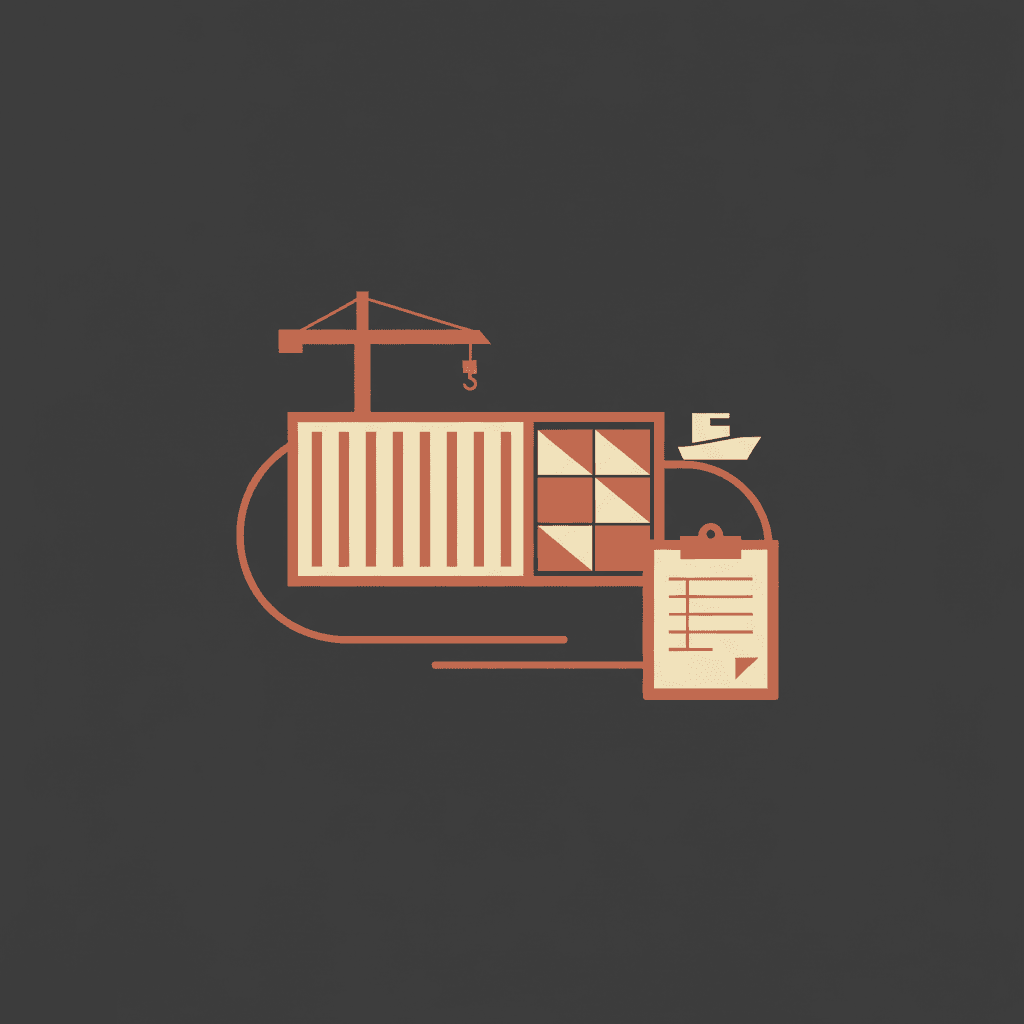
Container planning, purchase orders, inbound tracking, and receiving are connected to the same inventory your reps sell from. Build a container across suppliers, issue the POs, track what's on the water, and receive against the PO when it lands — quantities, vintages, and discrepancies handled at the dock, not discovered at month-end.
Prepare the team before the container lands
Before the next consolidation arrives, the Arrival Report brings its ETA, supplier, SKU, incoming quantity, current stock, older vintages, and price changes into one working view. Operations can review it on screen, export it to CSV, or print it for receiving and pricing preparation.
Know your landed cost before you price

Supplier cost is the start, not the number. PYLR models freight, duty, and inbound charges into landed cost per SKU — including suppliers who invoice in euros — so price lists and margin analysis rest on reality. When a container's costs change, you see what that does to the book before the wine hits the market.
Sell it like a distributor

Once the wine lands, PYLR is a full distribution platform: mobile rep tools, orders, price lists, sampling, delivery, and an AI copilot that knows every account and SKU. Direct-import orders run alongside warehouse sales, each with the right fulfillment and invoicing flow. The full picture is on the wine distribution software page.
Plan the next shipment with seasonal context
Compare the last 90 days with the upcoming 90 days last year before deciding what to buy. Optional seasonal history can bring compatible vintages into the comparison and flag gaps or ambiguous wine families. It gives the buyer context; it does not automatically change the forecast or purchase quantity.
Plan supplier pickups alongside deliveries, with pickup stops in the dispatch and driver workflow. Track the pickup outcome and the linked purchase order's receiving status separately: collecting the wine is not the same as confirming it into warehouse stock.
Compliance and books that match the boat

State compliance reports generate from the same order data — no separate tally. Add PYLR Accounting when you want vendor bills, payables, receivables, and bank reconciliation in the same platform. Full accounting is priced separately, with no seat or usage fees; QuickBooks sync remains available if you keep it. Your books reflect the containers, not a reconstruction of them.
And your overseas suppliers get a window of their own: live depletions and inventory for their brands through the supplier portal — see depletion reporting.
Frequently asked questions
Does PYLR handle direct-import (DI) sales?
Yes. DI orders run alongside warehouse orders with their own fulfillment and invoicing flow, so selling off the container and selling from stock live in the same system.
Can PYLR track landed cost?
Yes — freight, duty, and other inbound costs are modeled into landed cost at the purchase-order level, so margins and pricing decisions are based on what the wine actually cost to get here, not just the supplier invoice.
Our suppliers invoice in euros — is that supported?
Yes. Purchase orders and supplier costs handle foreign-currency suppliers, and costing carries through to your domestic pricing in dollars.
Does it connect to our accounting?
Yes. Full accounting is available in the same platform and priced separately from the core subscription, with no seat or usage fees. It covers vendor bills, payables, receivables, bank reconciliation, and reports. If you keep QuickBooks, PYLR syncs to it automatically, and SAGE-format exports are supported for warehouses and books that need them.
Can the team see what is arriving before a container lands?
Yes. The Arrival Report groups expected inbound wine by consolidation and ETA, with incoming quantities, current stock, older vintages, and price-review notes. Teams can review it on screen, export it to CSV, or print it for receiving.
Built on community and referrals.
Importing and distributing on spreadsheets and disconnected tools? Introduce yourself and tell us how your operation runs.
Two quick details — we'll figure out the rest, and a real person replies within a day.
Prefer email? hello@getpylr.com